Why Handmade Jewelry Deserves Special Care
When you invest in a handcrafted piece of jewelry, you're acquiring more than an accessory. You're becoming the guardian of someone's artistry. Each wire wrap, each carefully set stone, each delicate chain represents hours of focused intention. At Antiqua, I pour my heart into every creation, and nothing brings me more joy than seeing pieces I made years ago still looking beautiful on their owners.
The good news? With proper care, your handmade jewelry can last for generations. Here's everything you need to know.
Understanding Your Materials
Sterling Silver
Sterling silver (92.5% pure silver) is naturally antibacterial and surprisingly durable. However, it does oxidize when exposed to air and moisture. That's the dark tarnish you sometimes see. This isn't damage; it's a natural process that some collectors actually prefer for its vintage appeal.
Pro tip: Regular wearing actually helps prevent tarnish! Your skin's natural oils create a protective barrier.
Gold-Filled
Gold-filled jewelry contains a thick layer of gold mechanically bonded to a base metal. Unlike gold-plated pieces, gold-filled jewelry can last a lifetime with proper care. It's my go-to choice for clients who want the warmth of gold at a more accessible price point.
Semi-Precious Gemstones
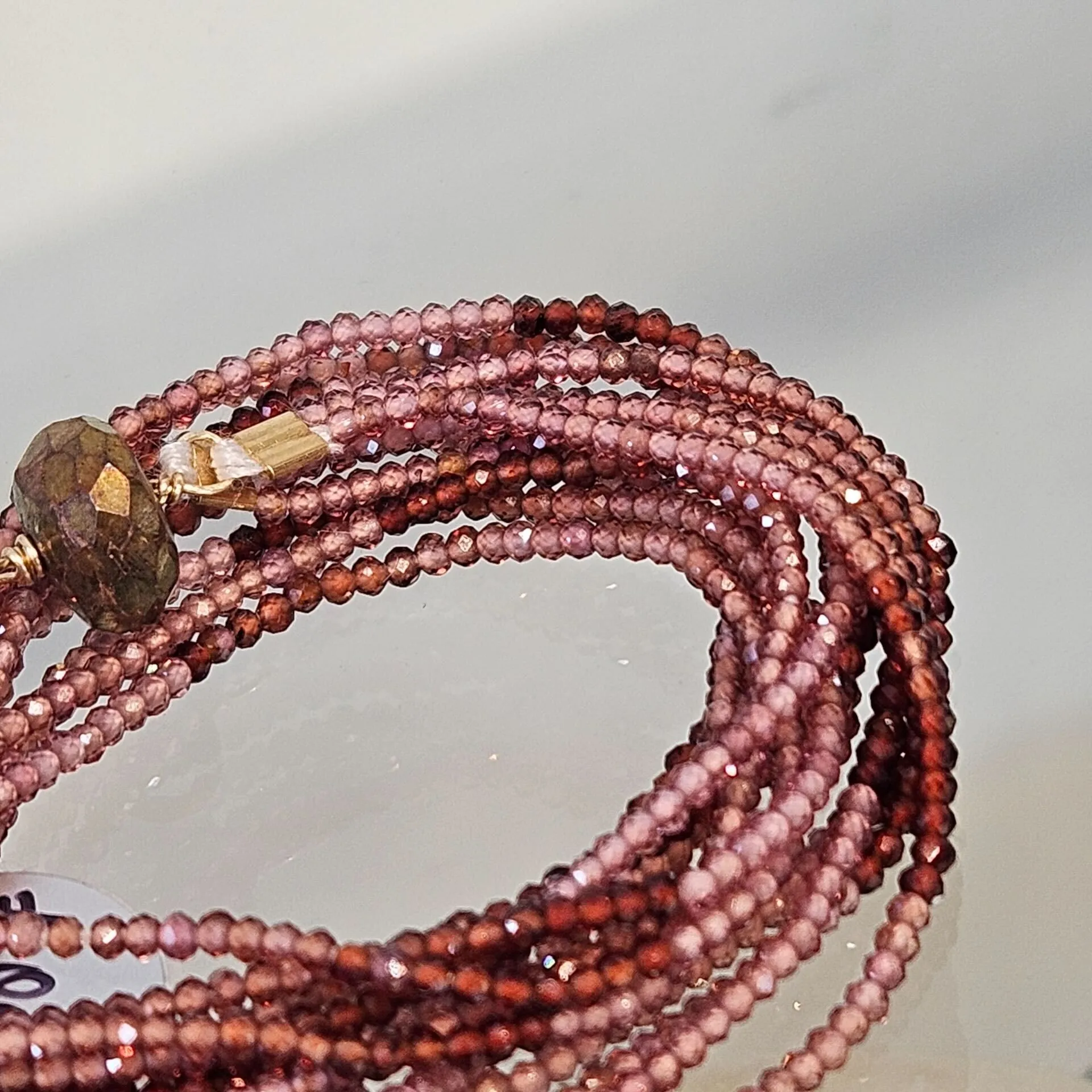
Each stone has its own personality and needs. Soft stones like pearls and opals require gentle handling, while harder stones like garnets and amethysts are more forgiving. Always check the specific care needs for your particular gemstones.
Daily Habits That Protect Your Jewelry
The "Last On, First Off" Rule
Put your jewelry on last after applying:
- Lotions and creams
- Perfume and hairspray
- Sunscreen
- Makeup
Remove your jewelry first before:
- Showering or bathing
- Swimming (especially in chlorinated or salt water)
- Exercising
- Sleeping
- Cleaning with chemicals
Handle with Care
- Always pick up necklaces by the clasp, not the pendant
- Never yank or pull on delicate chains
- Avoid touching gemstones with your fingers (oils can cloud them)
Cleaning Your Jewelry at Home
For Sterling Silver
- Mix a few drops of mild dish soap with lukewarm water
- Soak for 5-10 minutes
- Gently clean with a soft-bristled brush or cloth
- Rinse thoroughly with clean water
- Pat dry with a lint-free cloth
- Polish with a silver polishing cloth for extra shine
For Gold-Filled
- Use the same mild soap and water method
- Avoid abrasive cloths or brushes
- Dry completely before storing
For Gemstones
- Pearls: Wipe gently with a damp, soft cloth. Never soak.
- Opals: Keep moist with a damp cloth occasionally. Avoid heat.
- Garnets & Amethysts: Soap and water are fine.
- Turquoise: Wipe only, no soaking.
Proper Storage Matters
How you store your jewelry is just as important as how you clean it.
Best Practices
- Store each piece separately to prevent scratching
- Use anti-tarnish pouches or strips for silver
- Keep in a cool, dry place away from direct sunlight
- Hang necklaces to prevent tangling
- Store pearls in breathable fabric, never plastic
What to Avoid
- Humid bathrooms
- Direct sunlight
- Crowded jewelry boxes where pieces rub together
- Rubber bands or plastic bags (they accelerate tarnishing)
When to Seek Professional Help
Some situations call for expert intervention:
- Deep tarnish that won't respond to home cleaning
- Loose gemstones or prongs
- Broken clasps or chains
- Annual checkups for treasured pieces
At Antiqua, I'm always happy to clean, repair, or refresh pieces from my collection. It's part of the relationship we build when you invest in handcrafted jewelry.
Have questions about caring for a specific piece? Stop by our West Adams studio, or reach out through our contact page. I'm always here to help keep your treasures shining.
Keywords: jewelry care tips, cleaning handmade jewelry, silver jewelry care, gemstone maintenance, artisan jewelry, West Adams Los Angeles