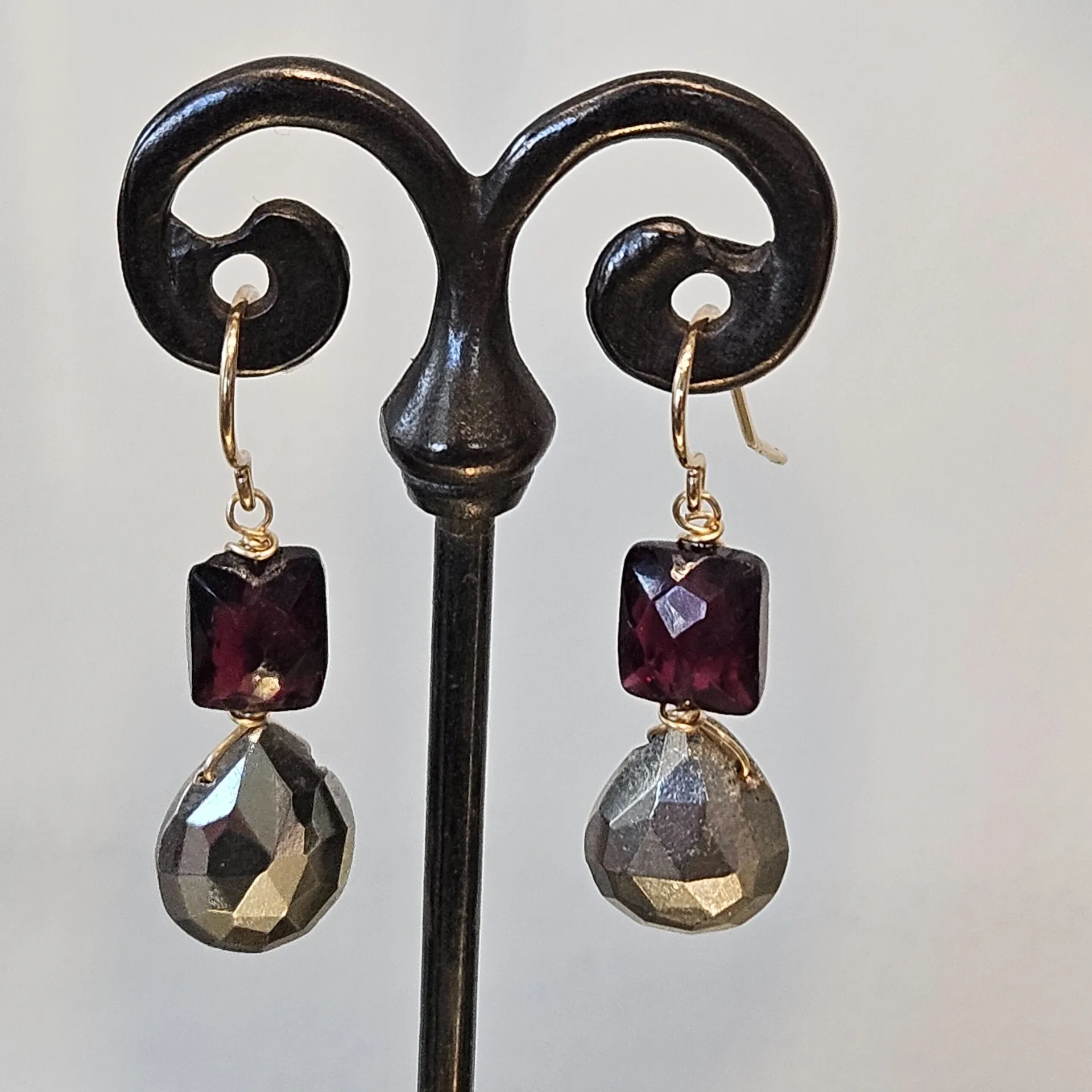
A Craft as Old as Civilization
Wire wrapping is one of the oldest jewelry-making techniques known to humanity. Archaeological evidence shows that ancient Sumerians were wrapping wire around gemstones over 4,000 years ago. Egyptian pharaohs wore wire-wrapped amulets. Celtic artisans created intricate torcs and brooches using this method.
When I wrap wire around a stone today, I'm connecting to that unbroken chain of artisans across millennia. There's something profoundly humbling about that connection.
Why Wire Wrapping Speaks to Me
I came to wire wrapping through silversmithing, but it quickly became my true love. Here's why:
No Heat Required
Unlike soldering or casting, wire wrapping uses only cold connections. This means I can work with delicate stones that would be damaged by heat. It also means each wrap, each coil, each flourish is done entirely by hand, just my hands, my tools, and the metal.
Every Piece is Unique
Because wire wrapping is so hands-on, no two pieces are ever identical. Even if I try to replicate a design, subtle differences emerge. The wire curves slightly differently, the wrap pattern shifts minutely. These "imperfections" are what give handcrafted jewelry its soul.
The Stone Leads the Way
When I sit down with a new gemstone, I let it tell me what it wants to become. The shape of the cabochon, the pattern of the flash, the weight in my hand: all of these factors influence my design decisions. It's a conversation between artist and material.
The Tools of the Trade
My workspace is filled with tools collected over nearly 30 years:
Essential Tools
- Round-nose pliers: for creating loops and curves
- Chain-nose pliers: for gripping and bending
- Flat-nose pliers: for straightening and holding
- Flush cutters: for clean wire cuts
- Nylon-jaw pliers: for straightening without marring
The Wire Itself
I primarily work with:
- Sterling silver wire: timeless and hypoallergenic
- Gold-filled wire: warm tones with lasting quality
- Copper wire: for practice and certain design aesthetics
Wire comes in various gauges (thickness) and hardness levels. Choosing the right combination for each project is part of the artistry.
The Process: From Stone to Wearable Art
1. Stone Selection
I spend considerable time selecting each stone. I'm looking for:
- Quality of the material
- Interesting patterns or colors
- Good shape for wrapping
- That indefinable "spark" that draws me in
2. Design Planning
While I work intuitively, I do plan the basic structure:
- How will the stone be held?
- Where will the bail (the loop for the chain) go?
- What decorative elements will complement the stone?
3. The Wrapping Itself
This is where meditation meets craftsmanship. Each wrap must be:
- Tight enough to secure the stone
- Loose enough not to damage it
- Aesthetically pleasing
- Structurally sound
A complex pendant can take 4-8 hours to complete.
4. Finishing Touches
Once the wrapping is complete:
- Excess wire is carefully trimmed
- Any sharp ends are tucked away
- The piece is cleaned and polished
- A final inspection ensures quality
Custom Creations: One-on-One Sessions
One of the highlights of my work comes from sitting down with clients to create truly individual pieces. In these sessions, we:
- Discuss your vision and preferences
- Select the perfect stone together
- Explore design possibilities
- Create something that exists nowhere else in the world
These pieces often become family heirlooms, passed down through generations, and that's the greatest honor any artisan can receive.
Interested in commissioning a custom wire-wrapped piece? Book a consultation at our West Adams studio.
Keywords: wire wrapped jewelry, handcrafted pendant, artisan jewelry, custom jewelry design, Los Angeles jeweler, silver wire jewelry